Disruption spreads across France
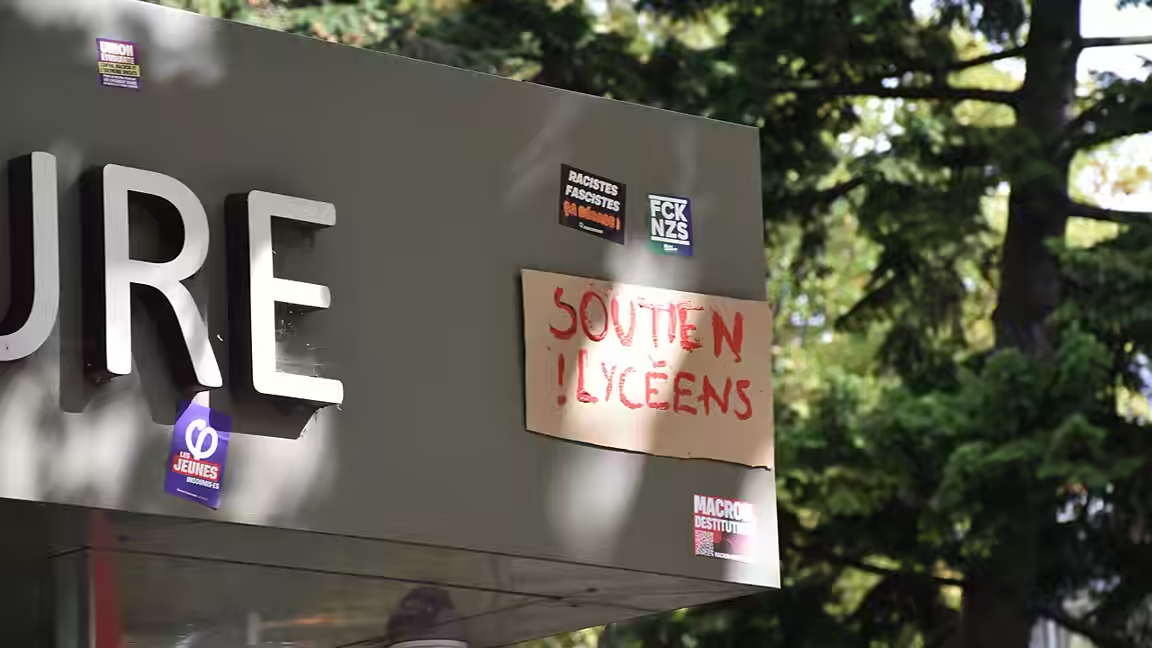
Student protests over conditions in French schools disrupted more than 500 of the country's 3,700 secondary schools as fires, damaged buildings and confrontations with police were reported in several cities. The unrest grew from complaints about teacher shortages, crowded classes, deteriorating facilities and the pressures students face during long school days.
France's education ministry said at least 65 staff members had been injured. Images and verified footage showed burning barricades, bins set alight and riot police deployed in Paris and other locations. Justice Minister Gérald Darmanin said the situation had shifted from high-school demonstrations into a public-order disturbance.
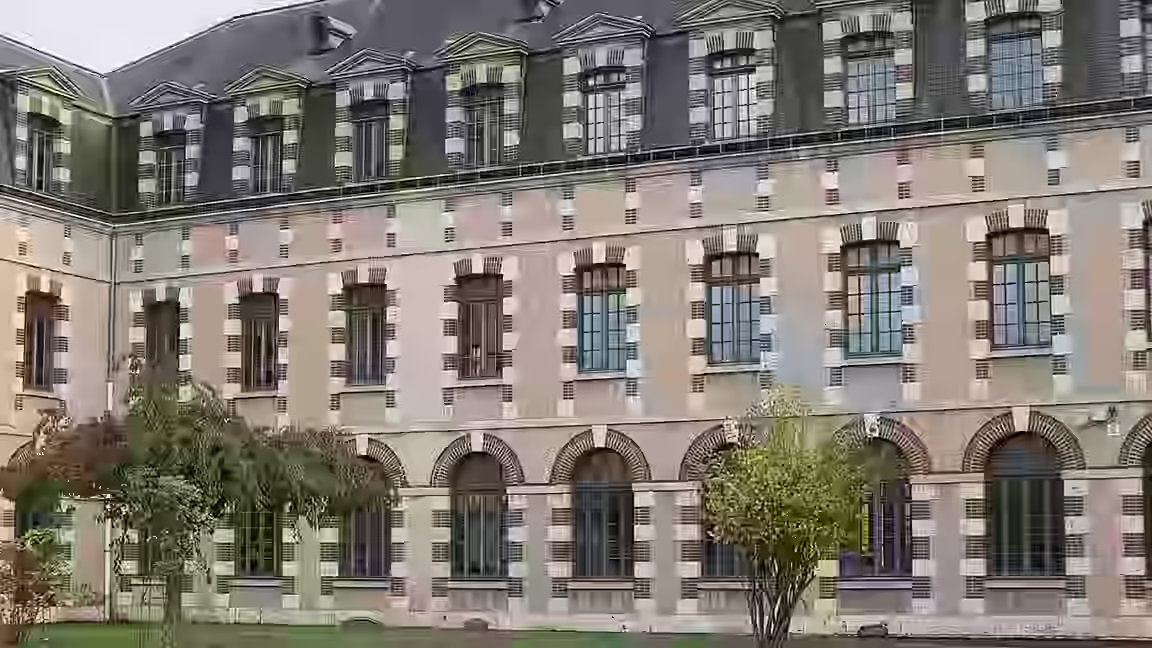
Damage was particularly severe in Nantes. Regional officials estimated roughly €3 million in losses across nearly 40 schools, including about €2 million at Nelson Mandela high school after a fire destroyed its entrance and reception area. The school was expected to remain closed until November, while 12 high schools in the surrounding region sustained significant damage.
The violence did not represent every participant. Footage reviewed by reporters showed one student trying to extinguish a burning bin before being confronted by another group, illustrating divisions among people at the demonstrations. Educators and parents also argued that the underlying demands were substantive, pointing to students missing meals, inadequate facilities and strained staffing.
Government and opposition trade accusations
The government accused the radical-left France Unbowed party of instrumentalising young protesters. Party leader Jean-Luc Mélenchon denied that claim and said the demonstrations were self-organised. With responsibility contested, the available evidence supports distinguishing the students' education demands from acts committed by vandals or other groups around the protests.
France's CGT trade union said it would join a student protest scheduled for October 6, broadening the possibility of continued mobilisation. A government consultation platform was also due to ask students about their difficulties and expectations, signalling an attempt to respond through policy as well as policing.
The unrest creates two immediate challenges for authorities. They must protect students, staff and buildings while avoiding actions that further inflame a youth movement. They must also address concrete concerns about class sizes, teacher availability and school infrastructure that helped mobilise students in the first place.
Claims about total arrests or injuries can change quickly during continuing unrest, and no single figure fully describes a movement spread across many cities. What is verified in the supplied reporting is the scale of school disruption, documented damage, staff injuries and the presence of both peaceful grievances and serious disorder. Assigning responsibility for individual violent incidents will require specific evidence as investigations continue.