# Police disperse Gazipur garment workers demanding higher wages
Police used tear gas and sound grenades to clear protesting garment workers from a road in Gazipur on November 16, as a wage dispute continued to disrupt Bangladesh’s largest export industry.
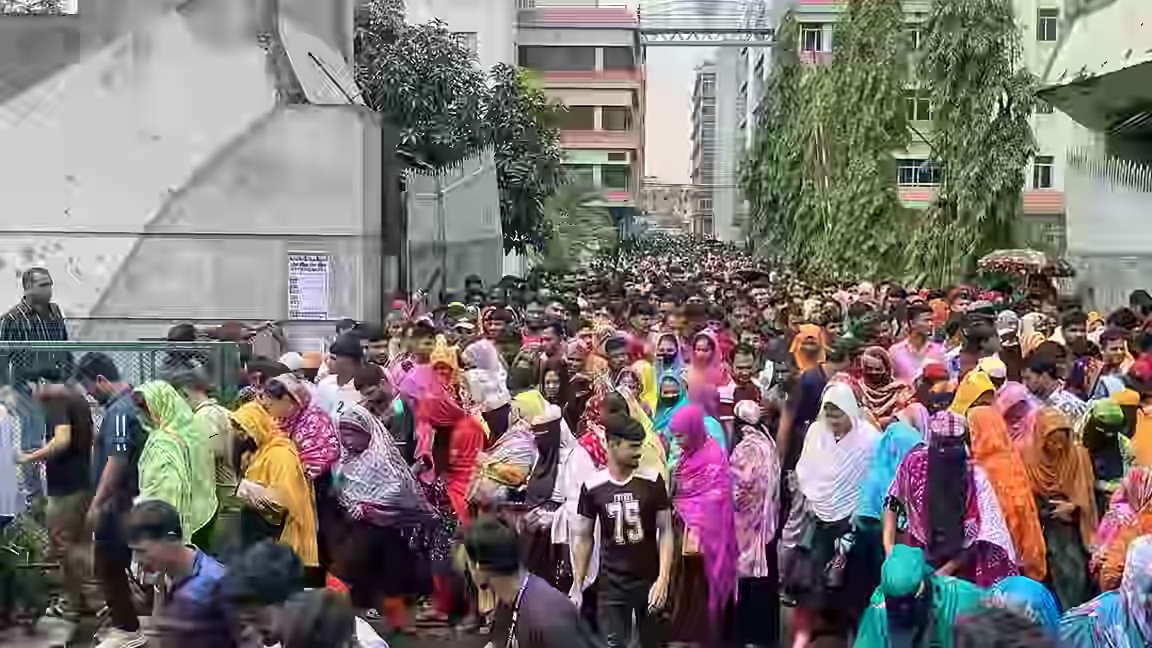
Employees of ABM Fashion and Jamuna factories in the Konabari area did not enter their workplaces that morning. They gathered outside the plants and then blocked the Konabari-Kashimpur regional road, according to police.
Officers and members of Border Guard Bangladesh went to the site and asked the workers to leave. Asif Iqbal, an inspector at Konabari Police Station, said the security forces deployed tear gas and sound grenades after the crowd became agitated. The workers then withdrew and the road reopened. Police described the area as calm by about 11 a.m.
The action did not stop traffic on the nearby Dhaka-Tangail highway, according to Naojor Highway Police inspector Manjur Morshed. That distinction matters because the protest affected a regional route rather than shutting one of the country’s principal transport corridors.
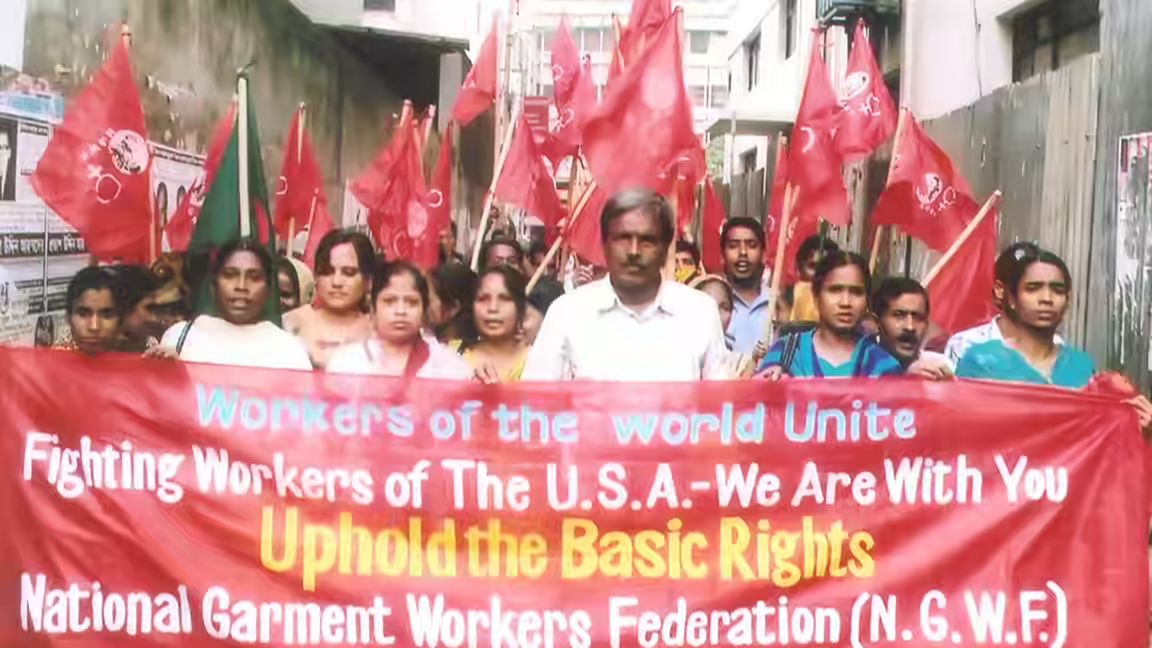
The confrontation came after more than a week of garment-sector demonstrations. Workers have been demanding a minimum monthly wage of 30,000 taka, up from the existing 12,500 taka. At a Minimum Wages Board meeting on November 9, worker representatives proposed a slightly higher figure of 32,000 taka. Factory owners were given four working days to submit a counterproposal.
The dispute has spread beyond a single pair of factories. Hundreds of plants have closed during the unrest, interrupting production and creating concern about export orders. Bangladesh’s garment industry operates on tightly coordinated production and shipping schedules, so even short closures can place pressure on factories and workers while negotiations remain unresolved.
The November 16 road clearance restored local traffic but did not resolve the underlying wage question. The gap between the current minimum and the amounts sought by workers is substantial: the street demand would more than double the monthly floor, while the formal proposal from worker representatives would raise it still further.
Available reporting did not specify injuries or arrests during the Gazipur dispersal. It also did not provide a new wage offer from factory owners. Those omissions leave the central negotiation unsettled despite the immediate return to calm.
The next decisive development will come through the wage-setting process rather than the cleared roadway. Until workers, employers and the board reach an agreement, factories face continued uncertainty and the possibility of further demonstrations. The Gazipur incident shows how quickly that industrial dispute can spill into public transport and require a security response.