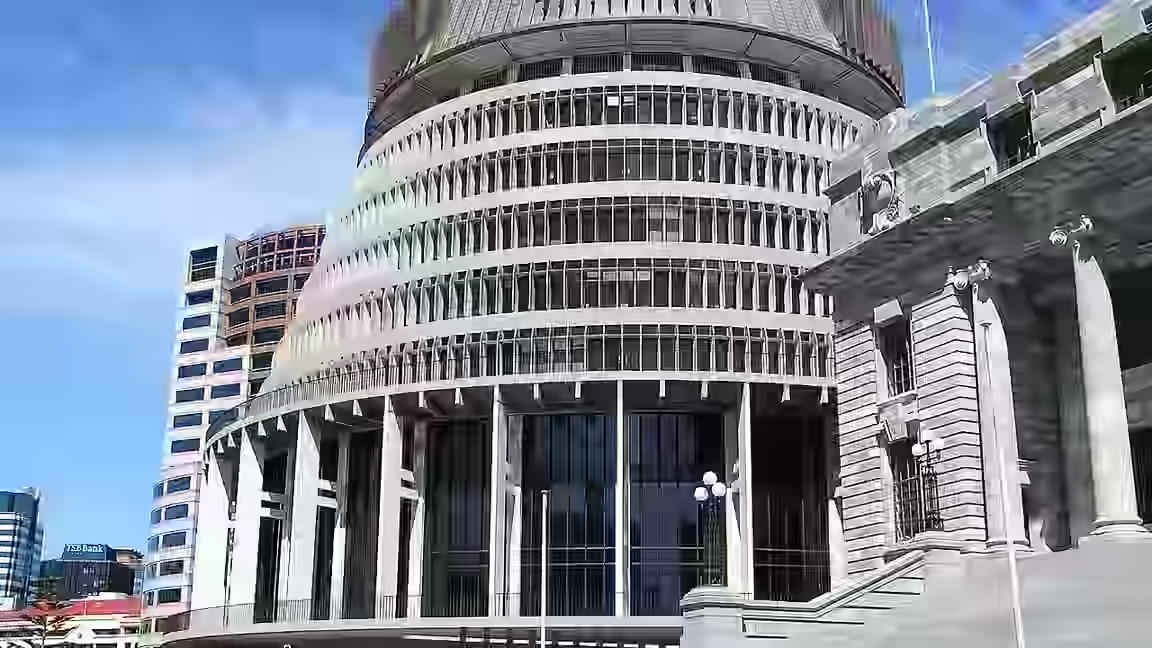
New Zealand's incumbent National-led coalition has lost its parliamentary majority after special votes shifted two seats away from the National Party, leaving the bloc dependent on support from the centrist Opportunity Party to remain in government.
Official results give National, led by Prime Minister Christopher Luxon, 40 seats in the 130-seat parliament. Its existing partners, ACT and New Zealand First, won 13 and 12 seats respectively. Their combined total of 65 is one below the 66 seats needed for a majority.
The result places Opportunity, which secured seven seats, at the center of coalition negotiations. Party leader Qiulae Wong said Opportunity would negotiate with National while keeping all options open. Without an agreement that can command confidence in parliament, New Zealand could face another election.
Luxon acknowledged that talks may be difficult and take time. He argued against rushing into an arrangement that could collapse or send voters back to the polls. The final count changed the position projected on election night, November 7, when preliminary results indicated that National and its partners would retain a narrow advantage. Special votes are cast by citizens overseas or away from their registered electorate and are included later in the official tally.
The opposition cannot readily form an alternative government from the reported numbers. Labour won 36 seats, the Greens 17 and Te Pāti Māori five, for a combined 58. Even adding Opportunity's seven seats would bring that group to 65, still one short of a majority. Labour leader Chris Hipkins acknowledged that his party lacks negotiating power despite winning the popular vote, while describing the election as an expression of demand for change.
Coalition bargaining is common under New Zealand's mixed-member proportional system. Voters cast one ballot for a political party and another for a local electorate representative, and the resulting parliament typically requires parties to negotiate a governing majority. In this case, the late movement in electorate and list representation turned a projected majority into a hung parliament.
The campaign unfolded amid concern about living costs, unemployment and confidence in political leadership. National promoted lower taxes, cheaper energy, increased renewable generation and stronger defense. Labour campaigned on reducing healthcare, public-transport and fuel costs and increasing support for social housing. Those policy differences will now frame negotiations over whether Opportunity can support the existing coalition.
The official count does not itself remove Luxon from office; it changes the parliamentary arithmetic he must navigate. National remains the only major bloc with a plausible route to 66 seats through Opportunity, but an agreement's policy terms and durability remain unresolved.