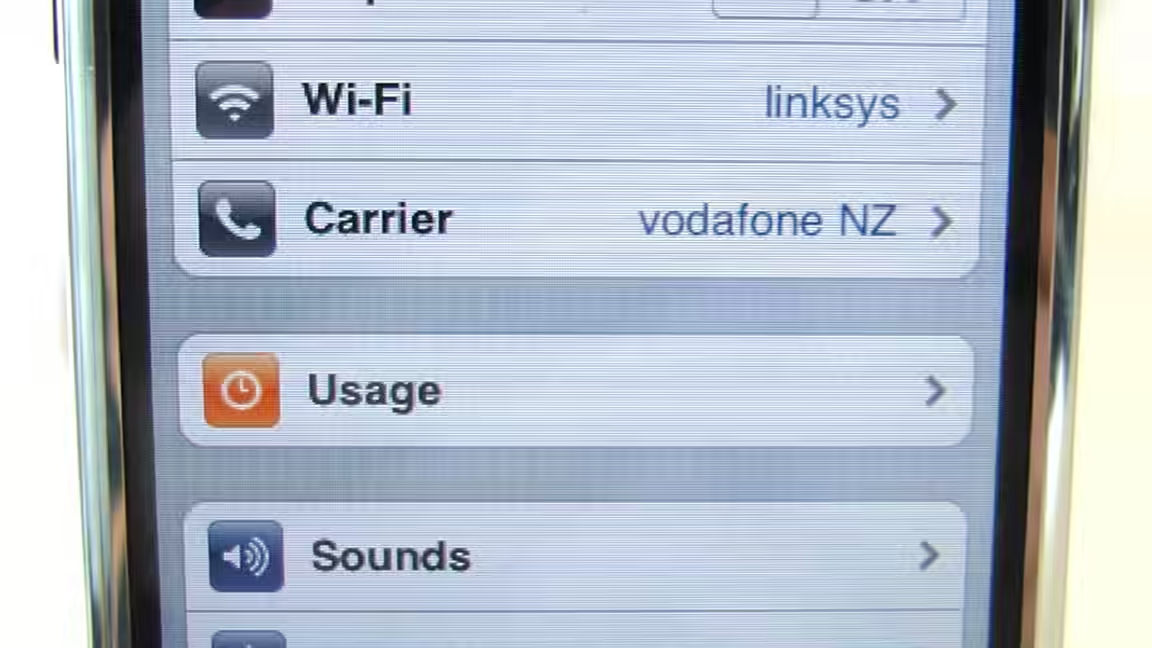
Some iPhone owners are objecting to promotions for Apple services appearing prominently inside the iOS Settings app, according to a report documenting complaints posted by users online. The prompts advertise products including paid iCloud+ storage, trials of Apple Music and Apple TV, and AppleCare+ coverage.
The controversy is less about the existence of an offer than its placement and persistence. Settings is a core system utility rather than a storefront, and the reported promotions can sit near the top of the screen. Some users also see a notification badge attached to Settings, a visual signal normally associated with an action that needs attention. TechRadar reported that an offer does not always include a working way to dismiss it permanently. In some cases, the practical alternatives described were waiting for the promotion to expire or accepting the service.
That design turns an optional commercial message into something users may interpret as an unfinished device task. The distinction matters because people regularly open Settings to handle security updates, account notices, backups and other operational controls. A persistent badge can make it harder to tell whether the phone needs action or is simply presenting another Apple product.
The report collected complaints from social platforms and noted that some offers appeared after the purchase of a new Apple device. It also said at least some iCloud+ subscribers reported seeing an iCloud+ promotion despite already paying for the service. That leaves open the possibility that part of the behavior is a targeting or software error rather than an intentional experience for every user. The supplied evidence does not include an Apple explanation, so the cause and scope remain unconfirmed.
Apple's services portfolio spans cloud storage, entertainment subscriptions and device protection, giving the company several products it can market to an existing iPhone customer. Promoting those services within iOS provides direct access to a large installed base, but placing the messages in a system-control surface creates a trade-off. A campaign may be highly visible while also frustrating customers who bought premium hardware and expect essential controls to remain free of persistent sales prompts.
For affected users, the immediate issue is the absence of a consistent opt-out described in the report. The evidence does not establish how many devices display the prompts, which iOS versions are affected, or whether Apple plans to change their behavior. Until Apple clarifies those points, the complaints show how a small interface choice can become a broader argument over where product recommendations belong inside a paid operating system.