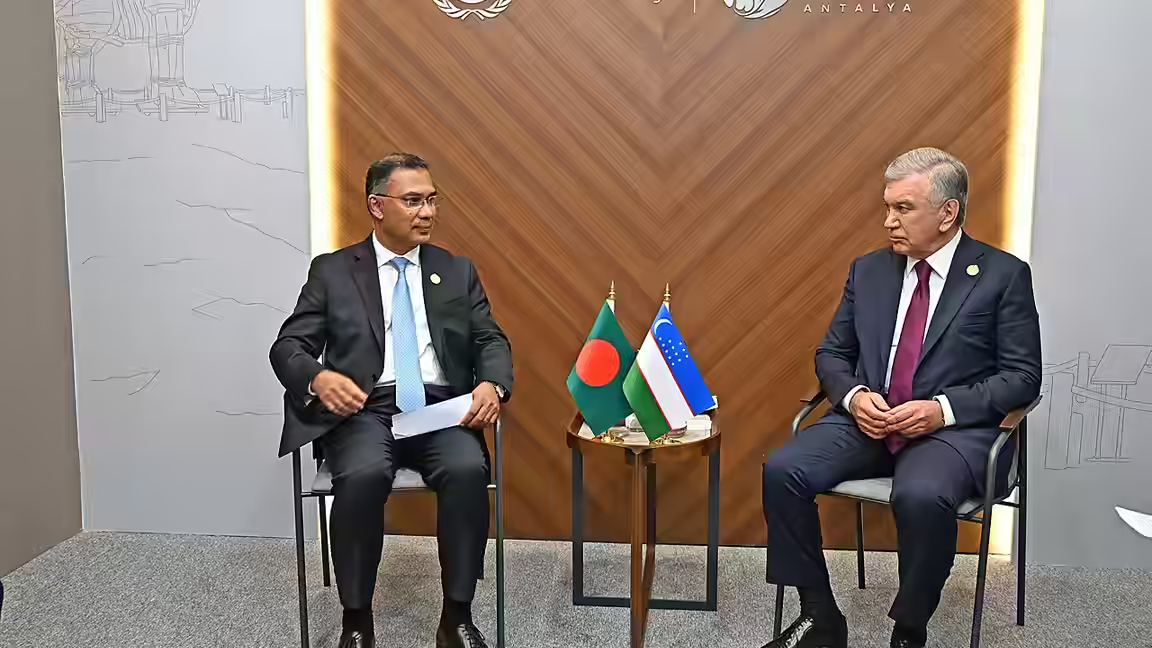
The COP31 climate conference in Antalya, Turkey, ended without a main political agreement after governments failed to resolve disputes over fossil fuels and financial support for poorer countries. Negotiations continued from their scheduled Friday close into Sunday, but the draft presented to delegates did not secure the consensus required by the United Nations process.
The breakdown made COP31 the longest UN climate conference to date, according to the BBC's account from the talks. It also marked the first collapse of a COP's main political agreement since the Copenhagen conference in 2009. UN Secretary-General Antonio Guterres said he was deeply disappointed, while Australian Prime Minister Anthony Albanese, whose country co-hosted the meeting, pointed to a difficult geopolitical environment.
A central dispute concerned the treatment of coal, oil and gas. An early draft used the terms “fossil fuel” or “fossil fuels” several times, but the final proposed text did not mention them directly. It referred instead to the COP28 commitment to transition away from fossil fuels in energy systems. The European Union, Panama, the Marshall Islands and other participants said that language fell short of the response required to address warming.
Oil-producing countries resisted stronger wording. Saudi Arabia argued that Arab countries represented only a small share of historical greenhouse-gas emissions, while Russia warned that moving too quickly could cause fuel poverty. COP31 negotiations president Chris Bowen said the parties faced incompatible red lines against a backdrop of unusually strained international relations.
Finance created a second major obstacle. COP30 had produced a commitment to triple funding that helps poorer countries adapt to climate effects, but the COP31 draft did not establish concrete sums or a baseline for measuring that increase. Developing-country representatives and climate campaigners warned that the absence of specifics would give wealthier governments excessive flexibility in interpreting the pledge.
The collapse did not erase every outcome from Antalya. Participants made progress on a “just transition mechanism” intended to support workers and communities during the shift toward cleaner energy. More than 80 countries also backed Turkey's goal of raising electricity's share of global energy use to 35% by 2035, according to the conference presidency. Those initiatives, however, did not substitute for the missing political agreement.
The result intensified questions about whether a consensus-based process can deliver stronger action when a small group of countries can prevent shared language. UN climate chief Simon Stiell said he would seek advice on possible reform before COP32, scheduled for Ethiopia in November 2027. He noted that consensus had enabled the 2015 Paris Agreement but acknowledged that it failed to produce a deal in Antalya.
COP31 also confronted the likelihood that the Paris target of limiting warming to 1.5C above pre-industrial levels will be exceeded in the coming years. The UN process now moves toward its next meeting without fresh common wording on the two issues that dominated Antalya: reducing dependence on fossil fuels and defining who will finance adaptation to worsening climate impacts.