New York has enacted a law restricting automakers, dealers and third-party service providers from charging drivers recurring or post-purchase fees to activate certain features already built into a vehicle. Governor Kathy Hochul signed the measure on 24 November, setting a statewide rule aimed at subscription models for hardware that buyers have effectively purchased with the car.
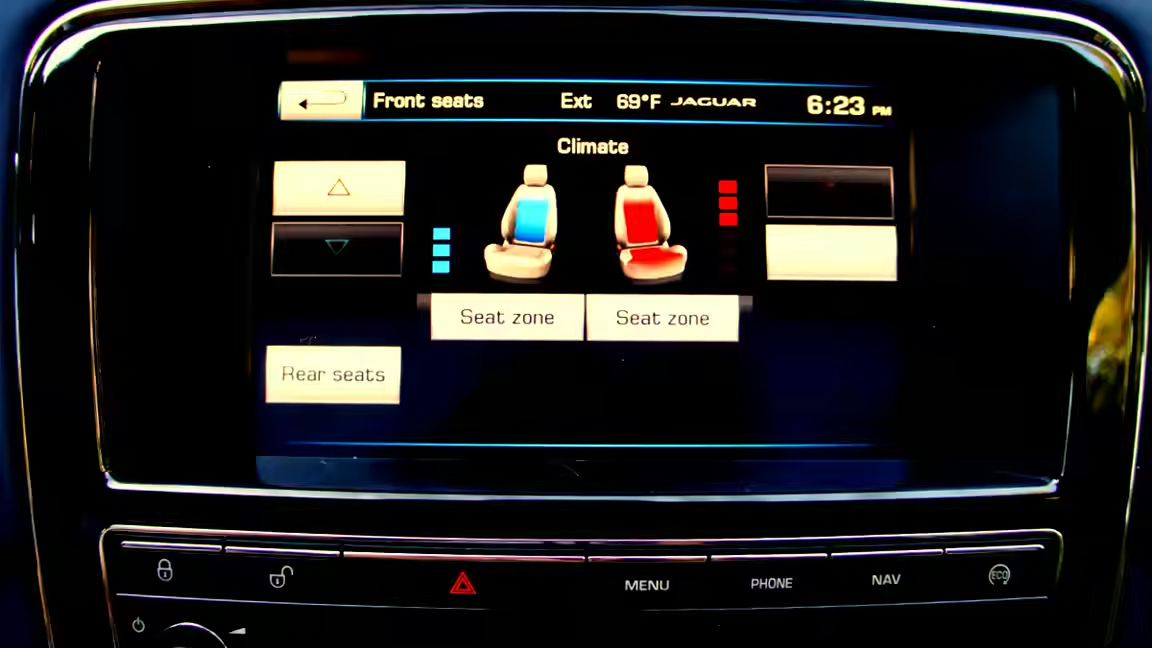
The legislation, S.9348A/A.10411A, covers vehicle features that use pre-installed components or hardware when providing the function does not create an ongoing expense for the manufacturer or dealer. The governor’s office identified heated seats, remote start, enhanced navigation, hands-free driving and entertainment functions as examples of the kinds of equipment that could fall within the policy.
The restriction does not amount to a blanket ban on every connected-car subscription. Its defining test is whether the feature depends on hardware already installed and whether the provider continues to bear a cost. Services that require continuing connectivity, data processing or another recurring input are therefore distinct from simply unlocking equipment that was present when the vehicle was sold.
Supporters presented the measure as both a consumer-protection rule and a price-transparency requirement. Buyers can compare vehicle prices more reliably when a listed feature will remain usable without an extra monthly payment. The law also limits the ability of a manufacturer to turn an existing physical component into a later revenue stream after the initial sale.
New York Attorney General Letitia James backed the change, linking it to broader enforcement against unexpected charges in vehicle purchases. State Senator James Skoufis, a sponsor, argued that drivers should not face a subscription to use installed equipment such as heated seats or remote start. Assemblymember William Magnarelli said the rule was intended to keep consumer protections aligned with rapidly changing vehicle technology.
The policy arrives as software increasingly controls functions that were once activated entirely through physical switches. That shift gives manufacturers more flexibility to configure models and sell upgrades remotely, but it also blurs the line between an optional service and access to property already included in a purchase. New York’s law draws that line around continuing cost: a company cannot impose a later fee merely to enable installed hardware that is not generating one.
The measure is scheduled to take effect on 27 February 2027, 90 days after its signing. Manufacturers and dealers operating in New York will have that period to review pricing and activation practices. The practical impact will depend on how particular features are classified, but the central requirement is clear: built-in capability without an ongoing provider expense cannot be held behind a new subscription or post-sale charge.