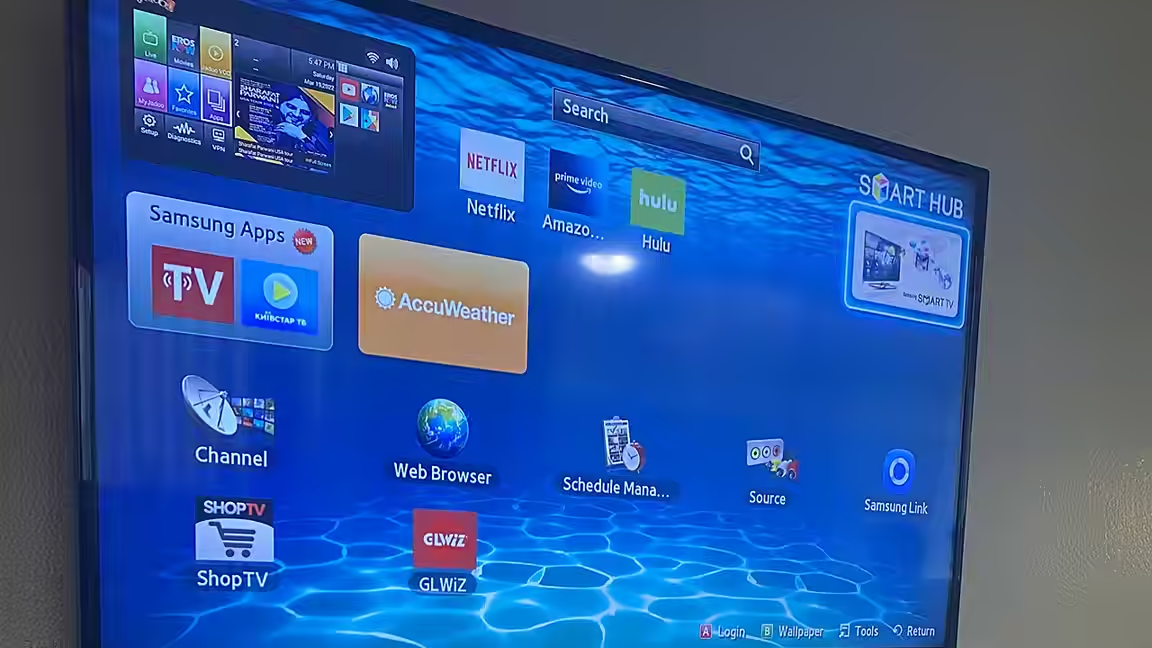
Smart television owners frustrated by advertising, tracking and slow home screens are experimenting with AI coding agents to simplify their devices. Projects including dumbtv and cleanyourtv package instructions and software changes intended to remove unwanted applications, replace the default launcher and return the screen to a smaller set of apps and HDMI inputs.
The trend, reported on October 20, applies familiar device-modification techniques through conversational coding tools. Instead of manually researching every package and command, users can give an agent a television model and a project repository, then ask it to guide or perform supported changes. That lowers the knowledge barrier, but it does not eliminate the technical risks of modifying a consumer device.
Cleanyourtv targets Android TV and Google TV devices over Wi-Fi. Its developer said the project began after encountering a sponsored placement before reaching Netflix on a family television. The resulting process removed 25 Xiaomi packages and installed a simpler launcher. The developer reported that owners then tried similar steps on sets from Xiaomi, TCL, Sony and LG, as well as Fire TV hardware and some projectors.
Dumbtv states a similar goal: a television should present the owner's applications and inputs without adding manufacturer advertising, viewing surveillance or unsolicited updates. Its developer reported end-to-end testing on a Fire TV Edition set and on Android or Google TV platforms from several manufacturers. The project was created with multiple AI models and is intended to expand to more hardware over time.
These modifications address a business model embedded in many connected televisions. Modern sets can use automatic content recognition to identify material playing on screen through visual, audio or digital fingerprints. That information can support audience measurement and targeted advertising. Replacing a launcher or disabling selected packages may reduce some visible promotions and software activity, although the supplied evidence does not establish that every modification disables all collection.
The projects are works in progress, and results differ across platforms. Some users reported that a simple request to “hack” a television was not enough to produce useful instructions. Others warned that an agent may disable an essential package. At least one user said an attempt left an Android TV unusable, while another became stuck midway through modifying a Fire TV. The tools therefore require users to understand recovery options and accept the possibility of resetting or repairing a device.
AI is not the only route to a cleaner television interface. Established replacement launchers already exist for Android-based televisions. The newer projects are notable because they use coding agents to tailor changes to particular models and make a traditionally technical process more accessible. Their popularity also signals continuing resistance to hardware interfaces that add commercial content after purchase, even as the experimental fixes remain less reliable than ordinary settings or supported applications.