Jot has rebuilt its capture and dictation application in Rust, replacing the Electron foundation used through version 1.1.4. The developer says Jot 2.0 occupies 91 MB on disk, down from 675 MB, while its disk-image download has fallen from 302 MB to 44 MB. Both Mac builds are universal binaries supporting Apple silicon and Intel processors.
The application turns selected text into Markdown notes and supports voice capture. In the earlier release, Electron coordinated a main process, preload script and renderer while native features already depended on separate helpers. The new architecture uses Rune, a GPU-based interface framework, and keeps view state in a single Rust structure instead of moving feature messages across Electron's inter-process boundary.
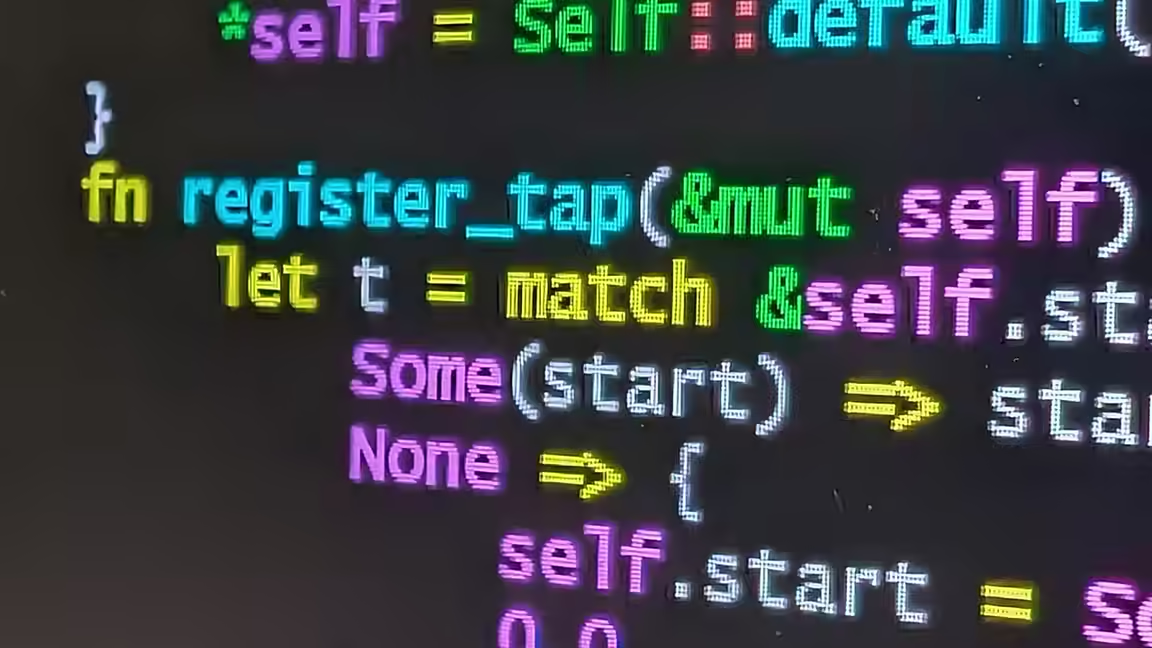
Blocking tasks, including watching the note vault and reading a selection from another application, run outside the interface thread. Results are returned through Rune's update mechanism. Shared note logic now lives in a core crate used by the desktop app, command-line interface and MCP server, while operating-system integrations sit behind a common API with platform-specific modules.
That restructuring also broadens platform coverage. The Electron edition was Mac-only, but the Rust release runs on Windows and Linux as well. Continuous integration tests all three systems. One limitation remains on Linux: the double-Shift global capture shortcut works under X11, but Wayland does not expose the global key events needed for that behavior. The Mac remains the project's primary target.
Compatibility was a central requirement because existing users may share a vault between computers running different versions. Jot 2.0 preserves unknown YAML front-matter fields rather than discarding them, allowing its Markdown files to remain readable across releases. It also retains the existing vault, settings, Keychain entries, license and bundle identifier, so Mac users can update in place.
The developer says feature parity was checked against the previous Electron code paths, using tests, headless snapshots or recorded runs as evidence for each completed feature. The Rust project is not smaller in source terms: it contains roughly 76,000 lines compared with about 73,000 lines of TypeScript in version 1.1.4. Some interface capabilities supplied by Electron had to be implemented or validated in the younger Rune framework.
The result is therefore an architectural trade rather than a simple code reduction. Jot gains a much smaller package, a single owner for application state and a unified operating-system layer spanning three platforms, while taking on more responsibility for interface primitives previously bundled with Chromium and Electron.