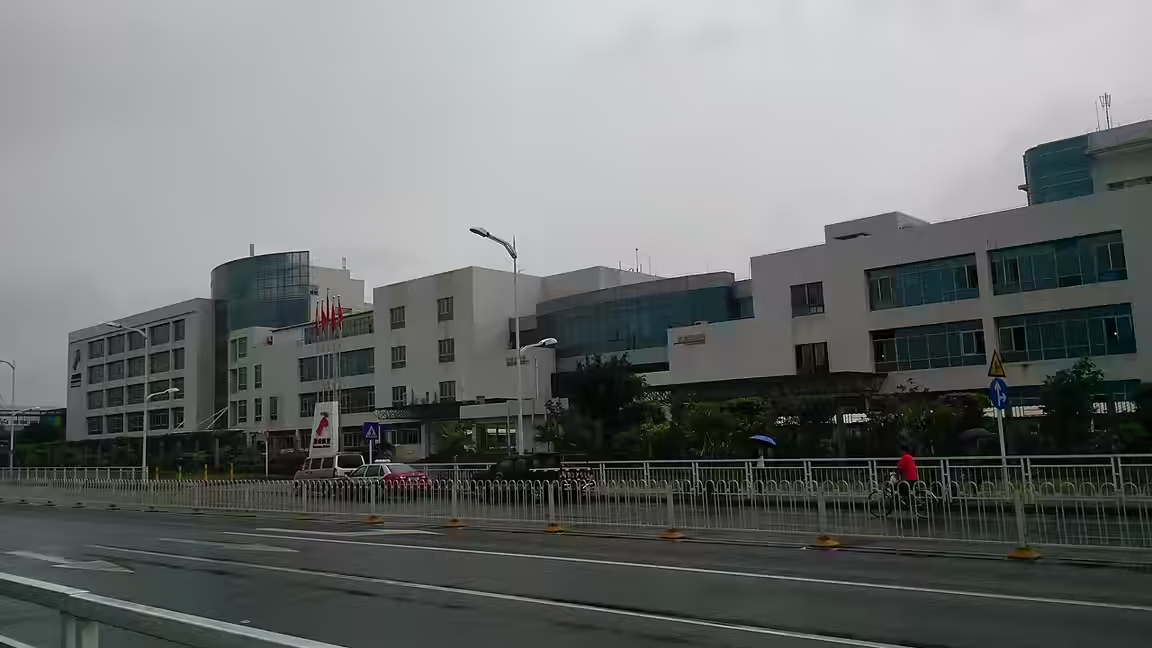
A federal jury in New York convicted Huawei and three subsidiaries on charges including conspiracies involving trade-secret theft, bank and wire fraud, money laundering and violations of US sanctions on Iran. The verdicts followed a three-month trial, according to UPI, while the companies were acquitted of conspiracy to commit racketeering, the most serious allegation in the case.
The prosecution grew from charges first filed in 2018 and later expanded. Jurors also returned guilty verdicts on substantive bank-fraud and sanctions-related offenses. Sentencing is scheduled for September 14, when the companies face possible criminal fines, forfeiture and restitution. The verdict does not by itself determine the eventual financial penalties.
Federal prosecutors alleged that Huawei concealed its activity in Iran and described Skycom as a business partner while using it to conduct business there. The government argued that false statements to banks enabled Huawei to obtain access to US-dollar clearing services despite applicable sanctions. Prosecutors also said technology was supplied for Iranian telecommunications infrastructure and monitoring. Those points were the government’s case; Huawei has rejected the convictions.
The trade-secret portion covered allegations involving several US technology businesses. Prosecutors said proprietary information connected to T-Mobile’s Tappy testing robot was taken, along with Cisco router source code. The case also cited Fujitsu equipment, CNEX information and antenna maker Quintel. Huawei said the five disputes identified by the government had been resolved as civil matters over the previous two decades and said no court had found it liable for willful intellectual-property misappropriation in those disputes.
Huawei welcomed the racketeering acquittal and said it would review the remaining verdicts and pursue legal steps to defend its interests. That response signals that the jury decision is unlikely to be the last phase of the litigation. The company’s rejection of the findings is important context alongside the Justice Department’s account of a long-running campaign of deception and theft.
The investigation previously led to the 2018 arrest in Canada of Huawei chief financial officer Meng Wanzhou. She returned to China in 2021 after reaching a deferred-prosecution agreement in which she acknowledged misleading a financial institution about Huawei’s Iran business; the charges against her were dismissed in 2022. The corporate verdicts now resolve the trial phase against Huawei and the three subsidiaries, while sentencing and any post-verdict challenges remain ahead.
The acquittal and convictions require separate treatment: jurors rejected the government’s racketeering theory while accepting multiple narrower fraud, sanctions and trade-secret counts. Huawei’s planned legal response concerns those findings; the acquittal does not negate the guilty verdicts on the other charges.