Lawsuit challenges an AI-triggered police response
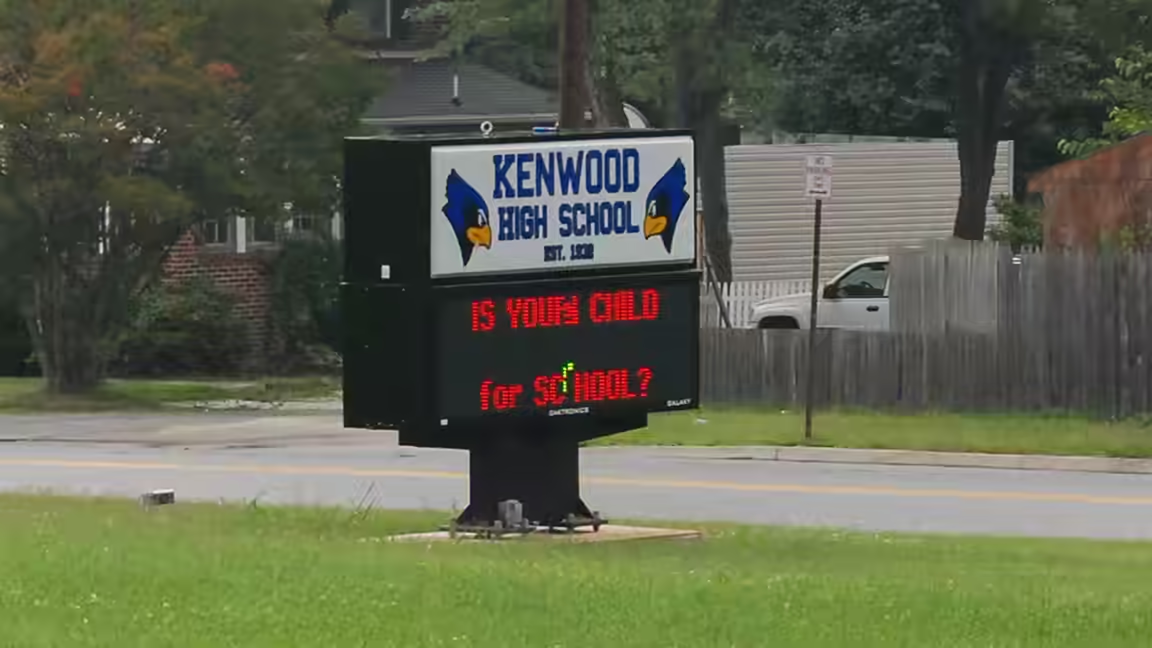
Four current and former students have sued an AI surveillance vendor, Baltimore County Public Schools, the county police department and individual officials over an October 2025 incident at Kenwood High School in Maryland. The complaint, announced on November 19, 2026, alleges that a weapon-detection system incorrectly identified a bag of chips as a firearm and set in motion an armed response.
The Lawyers' Committee for Civil Rights Under Law filed the case for Taki Allen, Yui-Osa Ogbeide, Devon Thompson Jr. and Keith Winfield III, with support from outside counsel. Its account says the teenagers were near the school entrance when police ordered them to their knees, handcuffed them and searched them. No gun was found.
According to the filing organisation, Omnilert Gun Detect issued an alert assigning a 90% probability that a firearm was present. The lawsuit alleges that staff and police reviewed the image and concluded it was a mistake, but officers were nevertheless dispatched after the alert had been cancelled. The plaintiffs describe the outcome as a combination of a false automated detection and inadequate procedures for stopping an escalation once people had recognised the error.
These are allegations in pending litigation, not judicial findings. The available source is the plaintiffs' legal organisation, and the defendants' responses were not included in the supplied evidence.
Plaintiffs seek changes to school and police procedures
The complaint alleges violations of federal and state constitutional rights, negligence, gross negligence and other wrongdoing. It was filed in the Circuit Court for Baltimore County. Beyond relief for the four teenagers, the plaintiffs want local institutions to verify alerts from automated threat-detection systems, reconsider whether such technology is appropriate in schools and build safeguards that prevent cancelled warnings from producing armed responses.
The Lawyers' Committee also calls for training, oversight, transparency about errors and outcomes, and community involvement in decisions about surveillance. Its central argument is that a technical alert cannot replace human assessment, particularly when the operational consequence may be officers confronting children with weapons drawn.
The case focuses attention on the full chain around an AI product. Accuracy is one issue, but the complaint also targets how a vendor reviews alerts, how a school interprets them, how information reaches police and whether a cancellation reliably stops dispatch. A false positive becomes substantially more dangerous when those layers lack clear authority and communication.
The students' claims will now be tested through the legal process. Whatever the eventual result, the alleged episode presents a concrete governance question for schools adopting automated security tools: whether their response procedures are designed around the possibility that the software will be wrong.